Trust your eyes to an ophthalmic plastic surgeon.
Your eyes are too important to take for granted!


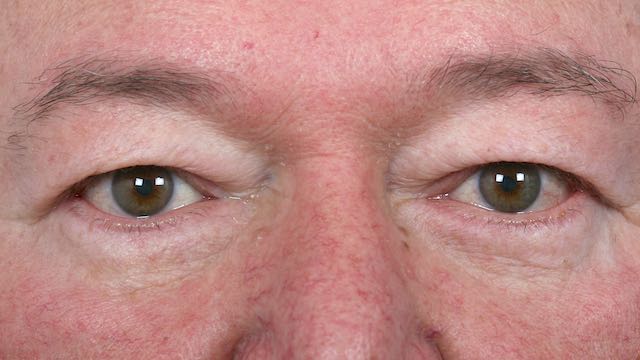
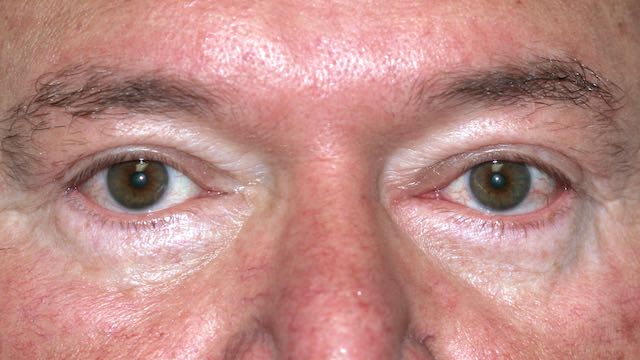
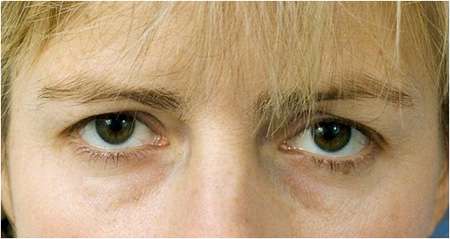
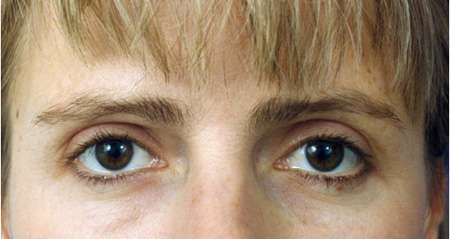
Cosmetic eyelid surgery (blepharoplasty) improves the appearance of the upper and lower eyelids. Eyelid surgery can correct drooping or saggy upper lids and puffy bags below your eyes – features that make you look older and more tired than you feel, and may even interfere with your vision. However, it won’t remove crow’s feet or other wrinkles (see Botox and Fillers).
How eyelid surgery (blepharoplasty) is done
As people age, the eyelid skin stretches, muscles weaken, and fat accumulates around the eyes, causing “bags” above and below.
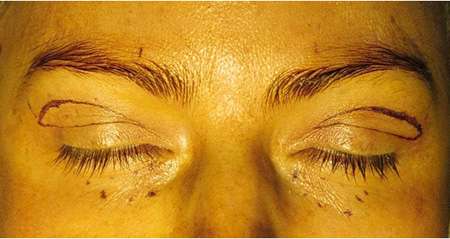
Before surgery, Dr. Weiss marks the incision sites, following the natural lines and creases of the upper and lower eyelids.
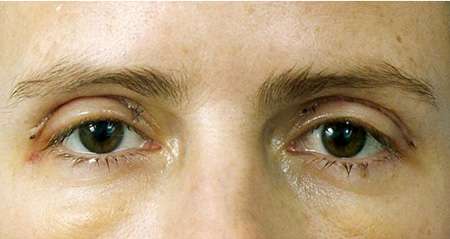
Excess skin, muscle and/or underlying fat is then carefully removed, and the incisions are then closed with fine sutures, which will leave nearly invisible lines.Removing the bags and dark circles (shadows) with no skin incision
In many cases, Dr. Weiss uses a procedure for improving the appearance of the lower eyelid that avoids a skin incision altogether, which he has been popularizing since 1986 when it was first introduced among oculoplastic surgeons. In a transconjunctival blepharoplasty (TCB), a tiny incision is made inside the lower eyelid and fat is removed from behind the eyelid without a skin incision.
In appropriate patients this is absolutely the safest and most precise method for improving the appearance of the lower eyelids. Since there is no skin incision, the bruising is absent or minimal, with some patients able to return to work on the very first day without makeup (we recommend two days of cool compresses to decrease swelling no matter how good you look!)
Dr. Weiss uses a special operating table for this procedure that briefly places the patient in an upright position during the procedure after the fat is removed. This allows him to account for the effect of gravity on the fat pads and adjust them accordingly, which contributes to a high degree of symmetry and surgical precision.
Your initial consultation
Minimizing bruising
Where Your surgery will be performed
Types of anesthesia
Minimizing risk
All surgery carries some uncertainty and risk, but when eyelid and eyebrow surgery is performed by a qualified oculoplastic surgeon, complications are infrequent and usually minor. Nevertheless, there is always a possibility of complications, including infection or a reaction to the anesthesia. You can reduce your risks by closely following Dr. Weiss’ instructions both before and after surgery.You will be instructed to keep your head elevated on a few pillows when sleeping for several days, and to use frequent cold compresses for the first two days to reduce swelling and bruising (discoloration). Because of Dr. Weiss’ special surgical techniques and pre- and post-operative care, about half of his patients have literally no bruising at all (there is always mild to moderate swelling). Bruising, when it does occur, usually resolves completely in 7-10 days and can be covered with makeup well before that. Swelling or slight puffiness is also 85%-90% improved within 7-10 days after surgery, although occasionally a small amount of tissue swelling may persist for weeks or months. Patients almost never need an eye patch after cosmetic eyelid surgery.
Dr. Weiss personally sees all of his surgical patients on the first post-operative day and will follow your progress very closely for the first week or two. The stitches will be removed four days to a week after surgery. Once they’re out, the swelling and discoloration around your eyes will gradually subside, and you’ll start to look and feel much better.
Getting back to normal
Your new look
Frequently Asked Questions
Ophthalmic plastic and reconstructive surgery (oculoplastic surgery) is a unique specialty combining training in ophthalmology and plastic surgery. This specialty has developed because of the amount of knowledge, expertise and special techniques needed to treat patients with conditions involving the eyelids and eyebrows, the lacrimal (tear drainage) system, the orbit (the bony socket around the eye), and the area of the face adjacent to the eye.
The primary difference between general and ophthalmic plastic and reconstructive surgery is on the emphasis of the health of the eye and preservation of vision. Oculoplastic surgeons have a special awareness of the importance of function as well as appearance This subspecialty came in to existence because of the delicacy involved in operating on the area surrounding the eye, and has resulted in significant surgical advances. Additionally, this highly specialized field provides expertise in revising and repairing unsatisfactory results from previous cosmetic or reconstructive surgeries surrounding the eye.
This field is divided into two areas: cosmetic and reconstructive surgery.
Cosmetic oculoplastic surgery is concerned with improving the appearance of the eyelids, eyebrows, forehead and face. Eyelid surgery (technically called blepharoplasty) is a procedure to remove fat, usually along with excess skin and muscle, from the upper and lower eyelids. Tendons that have shifted out of place with age or trauma may be moved and repositioned so that they will function more naturally. Eyelid operations make the person look younger, and it also allows women to take better advantage of makeup. Eyelid surgery can correct drooping upper lids and puffy bags below your eyes – features that make you look older and more tired than you feel, and may even interfere with your vision.
Reconstructive oculoplastic surgery involves the correction of defects caused by aging, trauma, tumors and congenital abnormalities. Most of these conditions can detract from appearance and cause discomfort. Certain conditions – such as eyelid tumors, eyelid position problems, thyroid disease and congenital ptosis (droopy eyelids), can cause significant permanent damage if left untreated.

Cosmetic eyelid surgery (technically called blepharoplasty) is a procedure to remove fat – usually along with excess skin and muscle – from the upper and lower eyelids. Eyelid surgery can correct dropping upper lids and puffy bags below your eyes – features that make you look older and more tired than you feel, and may even interfere with your vision. However, it won’t remove crow’s feet or other wrinkles (see Collagen or Botox) or lift sagging eyebrows (see endoscopic brow lifts). While it can add an upper eyelid crease to Asian eyes, it will not erase evidence of your ethnic or racial heritage. Blepharoplasty can be done alone, or in conjunction with other facial surgery procedures such as a facelift or browlift.
In many cases, Dr. Weiss utilizes a procedure for improving the appearance of the lower eyelid that avoids a skin incision altogether, which he has been popularizing since 1986 when it was first introduced among oculoplastic surgeons. In a transconjunctival blepharoplasty (TCB), a tiny incision is made inside the lower eyelid and fat is removed from behind the eyelid without a skin incision. The incision is closed behind the eyelid with a single dissolving suture.
Ptosis (droopy eyelids) is a condition in which the position of the upper eyelid margin is abnormally low; it usually results from the aging process, trauma, or is present from birth. This is a completely different problem than extra skin in the upper eyelids, although both of these conditions may be present in the same patient. Ptosis is corrected by shortening the tendon which raises the eyelid. Brow elevation and ptosis procedures are sometimes covered by insurance if excessive skin or the eyelid is obscuring vision, weighing down the lashes, or causing a feeling of discomfort or brow ache because of difficulty keeping the eyelids open.
Because relaxation of the eyebrows may compound the sagging of the upper eyelids by crowding the eye and producing an abnormal appearance of fatigue and premature aging, an operation to elevate the brows is recommended for some patients.
The most recent advance in brow elevation is called the endoscopic brow lift or upper face lift. Tiny incisions (about one-half inch) are made just behind the hairline and the procedure is performed by inserting an endoscope through these incisions, similar to endoscopic knee surgery. In addition to elevating the eyebrows, the endoscopic approach is effective in reducing the crow’s feet or laugh lines, the frown lines between the eyebrows, and forehead furrows – resulting in a more rested, youthful appearance.
Outpatient surgery is less costly and time consuming, and far more convenient – you can return home the same day of surgery. The pleasant ambiance and non-institutional setting of our surgical facility is also more comfortable for the patient. Your only concern should be what type of music that you want to listen to over our state of the art surgery suite sound system – or ask Dr. Weiss to play you one of his own piano recordings of Chopin waltzes or jazz standards.
Eyelid surgery is commonly performed under local anesthesia – which numbs the area around your eyes – along with oral sedatives. In some cases you may elect to have more sedation, including general anesthesia, but it’s usually not necessary. You’ll be awake but relaxed and insensitive to pain during the surgery, although some people may feel occasional tugging or mild discomfort. Music of your choice will be playing in the background to relax you even further. More complicated or extensive procedures do require general anesthesia or IV sedation.
To avoid the potential for increased bleeding, patients who will be undergoing cosmetic eyelid surgery are instructed to avoid taking aspirin or any over-the-counter products containing aspirin for two weeks before surgery. Cigarette smoking, vitamin E, and certain spices in Szechwan food are also known to increase the potential for bleeding and are to be avoided before surgery. In addition, a combination of pre-operative vitamins, Bioflavonoids, antioxidants, holistic medications (see nutritional medicine section), and meticulous surgical technique markedly reduces post-operative bruising.
You should be able to read or watch television after two or three days. However, you won’t be able to wear contact lenses for about two weeks. Most people feel ready to go out in public (and back to work) in a week to ten days without makeup. Healing times vary from patient to patient, but generally you will be able to ride down the elevator after having the stitches removed after six days and no one will know that you had surgery!
They are removed between 5 and 10 days.
Because of Dr. Weiss’ special surgical techniques and pre- and post-operative care, about half of his patients have almost no bruising or discoloration at all (there is always mild to moderate swelling). Bruising, when it does occur, usually resolves completely in 7-10 days and can be covered with makeup well before that. Swelling or slight puffiness is also 85%-90% improved within 7-10 days after surgery, although occasionally a small amount of tissue swelling may persist for weeks or months.
You can try to put them in a week later. If it doesn’t feel right remove them and wait a few days longer.
Yes.
Except for occassional watery eyes, your vision is unaffected. No bandages are needed, although you will may be asked to wear some protective shields over the eyes at bedtime for the first week.
If you would like to learn more about cosmetic eyelid surgery, or find out if you would benefit from this procedure, please call our office at 949-720-1400 to schedule a private complimentary consultation with the doctor.
Cosmetic Eyelid Surgery Glossary
Alternate terms: baggy eyelids, eyelid bags, lower lid bags, under eye bags.
This term usually refers to excessive fullness in the lower eyelids, but sometimes is also used to refer to upper eyelid fullness. The cause of the baggy eyes or eyelids is prominent orbital fat. The bags can be removed with either a transcutaneous (through the skin) blepharoplasty or a transconjunctival blepharoplasty (no skin incision).
Blepharoplasty cost can vary widely depending on the amount of surgery needed. Blepharoplasty prices also can be dependent on several other factors. Blepharoplasty surgery cost sometimes reflects the facility fee and is more expensive in those cases where general anesthesia is needed for adjunctive procedures such as endoscopic brow lifts and laser skin resurfacing. Fortunately, upper eyelid and transconjunctival blepharoplasty cost is less because these procedures can most safely and accurately be performed in the office operating room with local anesthesia. Please call 949-720-1400 to schedule an appointment for a personalized financial estimate.
A blepharoplasty surgeon is a cosmetic surgeon that performs cosmetic eyelid surgery. Blepharoplasty surgeons can be from various medical specialties, but the best blepharoplasty surgeons are generally those with the most experience and training. There is no ‘best ptosis surgeon’ or ‘best blepharoplasty surgeon’, but the surgeons who have the most experience and training with blepharoplasty tend to be ophthalmic plastic surgeons (also known as oculoplastic surgeons). They are trained in special techniques to give the best cosmetic result while protecting the health of the eye itself.
See blepharoplasty surgeon.
Alternate terms: blepharoplasty, cosmetic eye lid surgery, cosmetic blepharoplasty, eye tuck, eyelid tuck
Cosmetic eyelid surgery (blepharoplasty) refers to the removal of excess eyelid skin and fatty tissue to improve the appearance of the eyelid and orbital area of the face. Occasionally, this also includes lower eyelid tightening, endoscopic brow lifts, and ptosis (droopy eyelid) surgery.
See ptosis surgery.
Alternate terms: Endoscopic brow lift, endoscopic brow lift surgery, eyebrow ptosis surgery, browlift, brow lift surgery, brow ptosis surgery
Endoscopic brow lift is a method of elevating an eyebrow that has descended with age (eyebrow ptosis or droopy eyebrow). The endoscopic browlift is a relatively minimally invasive and safe procedure which is performed by inserting instruments and a small video camera through tiny incisions in the scalp (there is no hair loss because the incisions are made between the hair follicles) to free up the forehead and elevate it to its former natural position. The endoscopic brow lift surgery recovery time is literally a matter of days and the is usually no bruising because the dissection plan is subperiosteal – where there are no blood vessels. It is also very safe because there are also no nerves or other structures in this area. Endoscopic brow lifts are commonly performed in conjunction with cosmetic eyelid surgery to obtain the best and most lasting cosmetic result.
Endoscopic brow lift cost is a little more expensive than eyelid surgery alone. The endoscopic brow lift surgery prices include the surgeon’s fee as well as the facility fee and the anesthesiology fee. Please call 949-720-1400 to schedule an appointment for a personalized financial estimate.
Alternate terms: eye lid lift, eye lid surgery, eyelid tuck, heavy eyelids, lower eyelid lift, ptosis eyelid surgery
Eyelid surgery refers to any type of surgical procedure performed on the eyelids. This could include all types of cosmetic eyelid surgery (blepharoplasty) and reconstructive procedures such as ptosis surgery (droopy eyelid surgery), ectropion, entropion, and eyelid tumor surgery (basal cell and squamous cell carcinoma of the eyelid).
Alternate terms: Cosmetic eye lid surgery cost, cosmetic eyelid surgery price, eyelid surgery cost, eyelid surgery prices.
Eyelid surgery cost will vary depending on the procedures needed and the extent of the problem. Since it is best performed with just local anesthesia, cosmetic eyelid surgery prices are substantially lower than procedures that require general anesthesia. Please call 949-720-1400 to schedule an appointment for a personalized financial estimate.
Alternate terms: ptosis procedure, ptosis surgery procedure, droopy eyelid surgery, heavy eyelid surgery
Ptosis surgery is a special procedure that elevates an eyelid that has descended because of either a muscle weakness or problem with the tendon that raises and lowers the eyelid. It is almost exclusively performed by ophthalmic plastic surgeons. It is often confused with blepharoplasty (cosmetic eyelid surgery) but is a separate and distinct procedure. The ptosis surgeon must shorten the levator tendon and ensure that both eyelids are not only elevated, but are symmetric and have the same contour. It is sometimes but not always performed with blepharoplasty. True ptosis surgery is usually covered by medical insurance.
Alternate terms: Ptosis cost, ptosis price, ptosis surgery cost
Ptosis surgery cost is covered by medical insurance with the level of the eyelid needs to be elevated by shortening the tendon and the droopy eyelid is interfering with vision and activities of daily living.
Alternate terms: baggy eyelids, under eye puffiness, heavy eyelids
See baggy eyelids.
Alternate terms: Transconjunctival blepharoplasty, tcb, tcb surgery
Transconjunctival blepharoplasty (TCB) is an eyelid surgery that is performed from behind the eyelid through the conjunctiva (the mucosal surface that lines the eyelid) without a skin incision. It is usually cosmetic and involves either the removal or transposition of eyelid fat to enhance the cosmetic appearance and remove the bags that are causing the shadows or dark circles under the eyes. This procedure should be persormed by a TCB specialist who is usually an ophthalmic plastic surgeon. TCB surgery cost is usually less than surgery through the skin. TCB gift certificates are available at Weiss Cosmetic.
Alternate terms: upper blepharoplasty, upper eyelid blepharoplasty, upper lid blepharoplasty, eyelid tuck, eye job, cosmetic eyelid surgery
Upper eyelid blepharoplasty refers to cosmetic eye lid surgery of the upper eyelid. See cosmetic eyelid surgery.
Upper blepharoplasty prices vary with the condition and whether eyebrow surgery or ptosis surgery also needs to be performed. Please call 949-720-1400 to schedule an appointment for a personalized financial estimate.